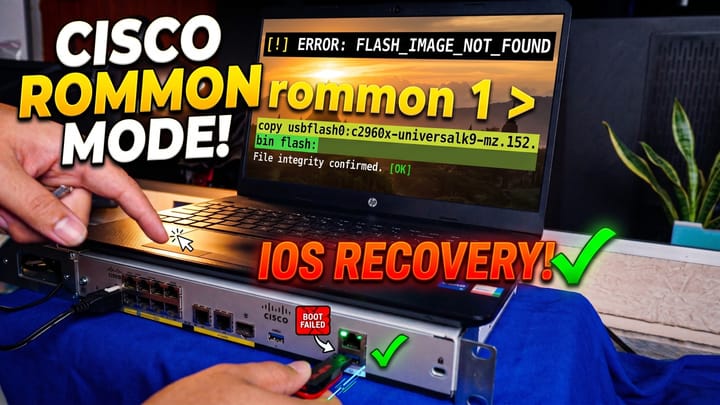
Upgrading the Enterprise Edge: Swapping the Cisco ISR 4331 for the 1100 Series
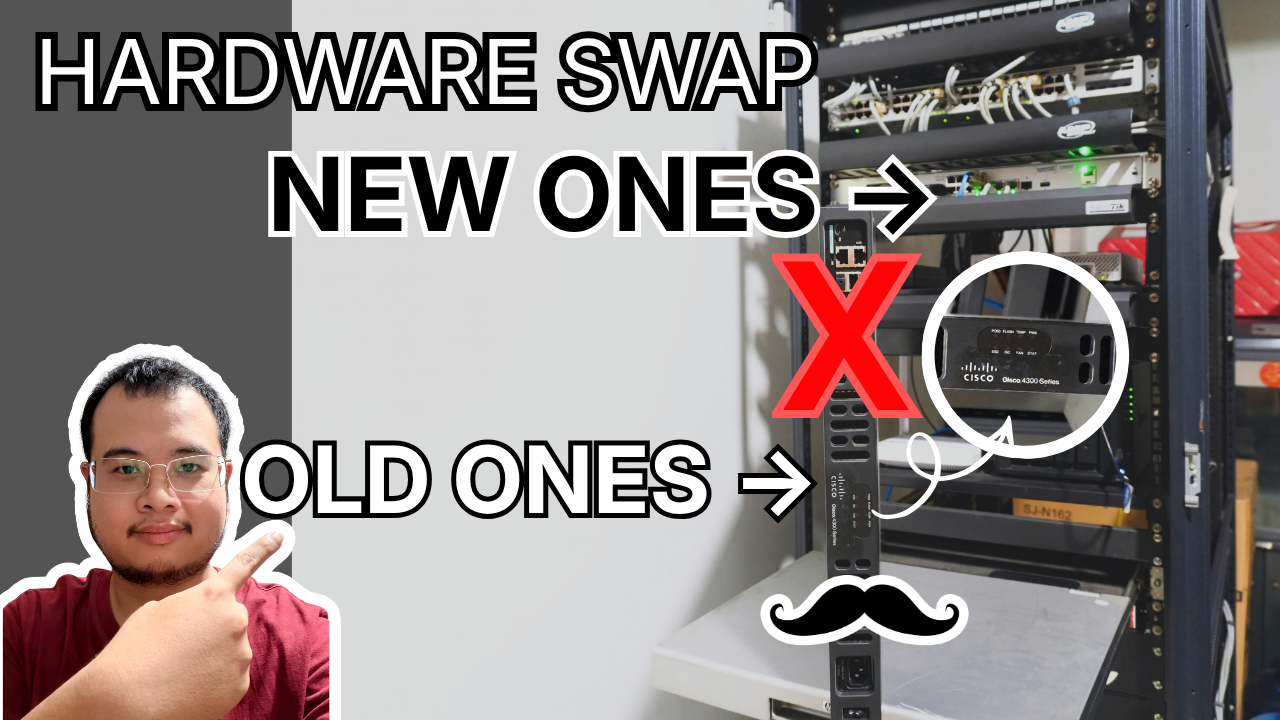
The enterprise networking landscape moves fast, and keeping your office or homelab rack optimized means knowing exactly when to cycle your hardware. Recently at Jfams, we decided it was time for a structural upgrade. We unmounted our trusty Cisco ISR 4331 and replaced it with a sleeker, highly efficient Cisco 1100 Series router.
Whether you are managing a corporate branch office or scaling up an advanced enterprise homelab, here is a breakdown of why we made the switch, how the migration went, and the immediate benefits we noticed.
Why We Retired the Cisco ISR 4331
The Cisco ISR 4331 has been an absolute workhorse. It is a robust platform that handles everything from complex routing protocols to heavy traffic loads. However, as our rack requirements evolved, a few factors pushed us toward an upgrade:
- Footprint and Weight: The 4331 takes up significant physical space and weight in the rack.
- Power Consumption: Enterprise routers of this generation draw a substantial amount of power, generating extra heat and driving up operational costs.
- Modernization: We wanted to transition to a more compact form factor without sacrificing enterprise-grade features like advanced Quality of Service (QoS), Network Address Translation (NAT), and secure VPN capabilities.
Enter the Cisco 1100 Series
The Cisco ISR 1100 Series is designed specifically for modern branch deployments. It delivers high-performance routing, switching, and security in a remarkably compact, lightweight chassis.
Despite its smaller footprint, it still runs standard Cisco IOS XE, meaning our existing command-line configurations ported over seamlessly. We didn't have to compromise on the granular control we rely on for IP SLA reachability tracking, complex Access Control Lists (ACLs), or interface bonding.
The Physical Swap and Configuration Migration
Replacing the hardware was a straightforward process, but it requires careful execution to minimize downtime.
- Preparation: Before touching a single screw, we backed up the running configuration of the 4331 and mapped out the exact GigabitEthernet interface conversions needed for the 1100 series.
- The Unmount: We systematically disconnected the cabling, unmounted the heavy ISR 4331 chassis from the rack, and prepped the space.
- The Installation: Racking the ISR 1100 took a fraction of the time. Once secured and powered on, we deployed the modified configuration via the console, ensuring all static routes, NAT translations, and Layer 2/Layer 3 port settings were successfully applied.
The Results: Power and Performance
The most immediate difference post-installation was the power efficiency. When taking power measurements after bringing the new router online, the drop in overall rack wattage was notable. The 1100 series runs cooler and quieter, drastically reducing the thermal load in the server room while handling our daily routing tasks with zero bottlenecks.
For network engineers and tech enthusiasts looking to optimize their physical racks, moving to a modernized, compact routing platform is a massive win for both performance and energy efficiency.